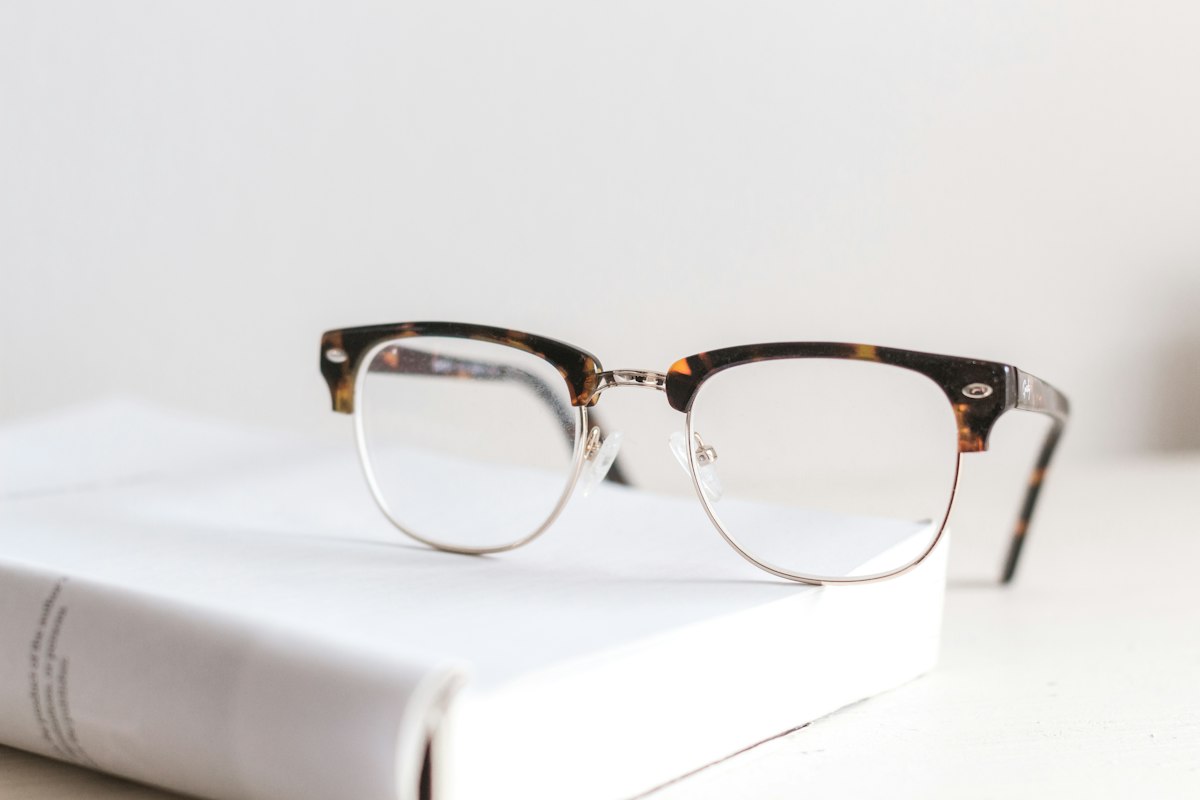
Glasses and contacts cost without insurance in 2026: Price guide
If you skip vision insurance, you can still outfit a full pair of glasses for about $129 at Costco or $95 at Warby Parker — versus the roughly $350 average out-of-pocket price that uninsured Americans actually pay. The real money leak isn’t the frames; it’s paying full retail at a mall chain, forgetting the exam and contact fitting are billed separately, and never checking whether a warehouse or online price undercuts the sticker you were quoted.
Methodology and scope: This guide is built from official pricing pages, retailer listings, and published cost surveys collected on September 30, 2026; the author did not shop in person, and every figure is tied to the named source in the text or tables. It is cost framing only — not medical or clinical advice.
Cash price comparison: full pair of glasses
A full pair of prescription glasses — frames plus prescription lenses — ranges from about $129 at a warehouse club to roughly $350 out-of-pocket at the national average. The table below shows where the gaps open up.
| Retailer | Frames from | Lenses from | Basic pair total | Coatings included? | Source link |
|---|---|---|---|---|---|
| Costco | $60–$70, average ~$63 | Single-vision from $66 | ~$129 basic pair | Anti-reflective coating included; designer frames cost more | Clark.com; Costco Optical |
| Warby Parker | Not itemized; frames and lenses bundled | Not itemized; lenses bundled | From $95 | Anti-reflective, scratch-resistant, and UV protection included | Warby Parker |
| America’s Best | Not itemized; two-pair bundle | Not itemized; single-vision bundle | 2 pairs + eye exam $95; progressive bundles from $195 | Not specified | America’s Best |
| Mall chains (LensCrafters / Target Optical) | Mid-range, see site | Mid-range, see site | Mid-range, see site | See site | LensCrafters; Target Optical |
| US average | — | — | $200–$300 typical; about $350 out-of-pocket without vision insurance | Varies | Glasses.com |
Costco’s ~$129 basic pair comes from a January 2026 phone survey of Costco Optical locations that confirmed single-vision lenses starting at $66 and frames averaging about $63, with anti-reflective coating included at no extra charge Clark.com. Designer frames push the total higher, but the warehouse floor is hard to beat for a single-vision pair.
Warby Parker bundles frames and lenses at $95 and includes anti-reflective, scratch-resistant, and UV coatings in that price, plus free shipping and 20% off each additional pair Warby Parker. There’s no warehouse membership fee, which matters if you don’t already hold one.
America’s Best runs a two-pair-of-single-vision-glasses-plus-eye-exam bundle for $95, with progressive bundles starting at $195 America’s Best. Note: older aggregator posts still cite a “$79” price that is stale — the current bundle is $95.
Mall chains like LensCrafters and Target Optical sit between warehouse and independent pricing. They’re convenient, but you’ll typically pay more than the warehouse or direct-to-consumer options for a comparable single-vision pair.
The national picture: typical prescription glasses run $200–$300, and the average out-of-pocket cost without vision insurance is about $350 Glasses.com. That gap between “$200–$300 typical” and “$350 average out-of-pocket” reflects the add-ons — progressive lenses, premium coatings, designer frames — that most buyers end up selecting at a retail chain.
Eye exam cost without insurance
A routine eye exam is a separate cash-pay line item from the glasses or contacts you order after it. Expect to pay about $69–$250+ depending on where you book, with the national self-pay average near $136.
| Provider type | Price range | Notes | Source link |
|---|---|---|---|
| Retail chains | $69–$130 | Cash-pay routine exam | Vision Center |
| Independent optometrists | $100–$250+ | Cash-pay routine exam | Vision Center |
| Costco | $75–$110 | January 2026 phone survey of Costco Optical locations | Clark.com |
| America’s Best | $69 | Standalone; free with two-pair purchase | Vision Center; America’s Best |
| Target Optical | $99–$110 | Example retail-chain exam | Vision Center |
| US average | ~$136 | GoodRx self-pay average; range about $50–$200 | GoodRx |
| Contact-lens fitting | +$40–$60 | Billed on top of the routine exam | Clark.com; Vision Center |
Retail chains offer the lowest standalone exam price — America’s Best advertises a $69 exam, free with a two-pair purchase America’s Best. Costco exams run about $75–$110 depending on location Clark.com. Independent optometrists top out at $100–$250+ Vision Center.
GoodRx puts the national self-pay average at about $136, with a range of roughly $50–$200 GoodRx.
The line item that catches people off guard is the contact-lens fitting. If you wear contacts, the fitting is billed on top of the routine exam, typically adding $40–$60 Clark.com; Vision Center. A “$69 exam” can become a $110–$130 visit once the fitting fee is added. Always ask for the total — exam plus fitting — before you book.
Glasses: where the real price difference comes from
The gap between a $129 Costco pair and a $350 average out-of-pocket purchase comes down to four variables: where you buy, lens type, coatings, and whether you’re comparing bundle pricing to itemized retail.
Where you buy. Warehouse clubs and direct-to-consumer online sellers offer the lowest cash prices. Costco’s ~$129 basic pair and Warby Parker’s $95 starting price both undercut mall chains and independent opticians by a wide margin. Mall chains like LensCrafters and Target Optical charge mid-range prices that reflect their overhead and mall-rent footprint.
Lens type. Single-vision lenses are the cheapest. Progressive or bifocal lenses cost more, and high-index materials (thinner lenses for stronger prescriptions) add another layer. America’s Best prices its progressive bundles from $195 America’s Best — roughly double its single-vision bundle.
Coatings and add-ons. This is where the itemized retail model hurts. Anti-reflective coating is included at no extra charge at Costco Clark.com and bundled into Warby Parker’s $95 price Warby Parker. At many mall chains and independents, anti-reflective, scratch-resistant, and UV coatings are separate paid upgrades. Blue-light filtering is almost always a paid add-on — decline it unless you specifically want it, because it rarely changes the cost calculation in your favor.
Bundle versus itemized. America’s Best’s 2-for-$95 bundle and Warby Parker’s inclusive pricing make comparison straightforward. Mall chains and independents often quote a low frame price and then add lenses, coatings, and exam fees separately — the total only becomes clear at checkout.
Contact lens cost without insurance
Out-of-pocket contact lens costs commonly run $150–$700+ per year depending on lens type and where you buy. The table below shows per-box Costco prices from a January 2026 phone survey.
| Lens | Type | Costco price | Approx. annual cost note |
|---|---|---|---|
| Kirkland Signature daily disposable | Daily disposable | $58.99 per 90-pack | Per-box line; annual cost depends on wear schedule |
| Acuvue Moist daily | Daily | $34.87 per 30-pack | Per-box line; annual cost depends on wear schedule |
| Acuvue Vita monthly | Monthly | $60.99 per 6-pack | Per-box line; annual cost depends on wear schedule |
| Air Optix monthly | Monthly | $51.87 per 6-pack | Per-box line; annual cost depends on wear schedule |
| Biofinity monthly | Monthly | $38.87 per 6-pack | Per-box line; annual cost depends on wear schedule |
| Dailies AquaComfort daily | Daily | $33.98 per 30-pack | Per-box line; annual cost depends on wear schedule |
| Proclear daily | Daily | $60.99 per 90-pack | Per-box line; annual cost depends on wear schedule |
| Annual out-of-pocket, all sources | All | Not a single box | Commonly $150–$700+ per year |
All Costco per-box contact prices are from Clark.com. The annual $150–$700+ range is from 1-800 Contacts, a carve-out URL that returned 403 to the datacenter host but is live in browsers.
The per-box prices look low — $33.98 for a 30-pack of Dailies AquaComfort, $38.87 for a 6-pack of Biofinity — but a full year of daily disposables adds up fast. Two boxes of a 30-pack monthly is roughly $68; at one box per day, the annual total runs into the hundreds. Monthly replacement lenses stretch further per box but still land in the $150–$700+ annual range depending on brand and wear schedule.
Warby Parker also sells contacts directly Warby Parker, and online sellers like 1-800 Contacts and ContactsDirect compete on annual-supply bundles and rebates. Buying a full annual supply almost always beats per-box retail pricing.
Savings strategies, ranked by impact
-
Buy the bundle. America’s Best’s 2 pairs + eye exam for $95 beats most single-pair prices and includes the exam that would otherwise cost $69 standalone America’s Best. If you need a backup pair, this is the lowest-cost entry point.
-
Go warehouse. Costco’s ~$129 basic pair with free anti-reflective coating undercuts the ~$350 uninsured average by roughly $220 Clark.com; Glasses.com. You need a Costco membership, but the optical department alone can justify the fee if you’re buying glasses this year.
-
Buy online/direct. Warby Parker starts at $95 with anti-reflective, scratch-resistant, and UV coatings bundled in, free shipping, and 20% off additional pairs Warby Parker. No membership fee, no trip to the store.
-
Buy contacts by the annual supply. Annual-supply bundles and rebates at 1-800 Contacts, ContactsDirect, and similar sellers beat per-box retail on the $150–$700+ annual range. Price the full year, not one box.
-
Use HSA/FSA dollars. Pay with pre-tax money for roughly a 22–32% effective discount depending on your marginal tax rate IRS Publication 502. On a $350 pair of glasses, that’s $77–$112 in tax savings — bigger than most coupons.
-
Time insurance enrollment. A $10–$15 exam copay plus a $130–$200 frame or contacts allowance can beat cash if you need progressives or designer frames Vision Center. VSP lists a $15 exam copay for 2026 and advertises “save up to $360 annually” VSP. EyeMed uses a $10 exam copay paired with a $150 frame or contact-lens allowance in most states EyeMed. Compare the copay-plus-allowance total against the cash price of what you actually need.
-
Skip paid add-ons. Blue-light filtering is usually a separate paid upgrade. Anti-reflective coating is already included at Costco and Warby Parker — don’t pay for it again at a mall chain.
Common mistakes that cost you money
Assuming the exam is included in the glasses price. It isn’t — the exam is a separate cash-pay line item, and the contact-lens fitting is billed on top of that.
Forgetting the contact-lens fitting fee. A “$69 exam” becomes a $110–$130 visit once the $40–$60 fitting fee is added Clark.com; Vision Center.
Trusting stale “$79 America’s Best” pricing from old aggregator posts. The current bundle is 2 pairs + exam for $95; progressive bundles from $195 America’s Best.
Paying separately for anti-reflective and scratch coatings that Costco and Warby include at no extra charge.
Buying one contact box at retail instead of pricing a full annual supply — the per-box price looks manageable, but the annual total is what matters.
HSA/FSA: pre-tax beats coupon
Prescription eyeglasses, contact lenses, contact lens solution, and eye exams are qualified medical expenses under IRS Publication 502. That means HSA and FSA dollars can pay for all of them.
Pre-tax beats coupon. If you’re in the 22% marginal tax bracket, paying a $350 glasses bill with HSA money saves you $77 compared to paying with after-tax dollars. At the 32% bracket, that’s $112 saved. No store coupon matches that — and the savings apply to exams, contacts, and solution, not just frames.
Use your HSA or FSA card at checkout for the exam, the glasses, the contacts, and the solution. If your FSA balance is use-it-or-lose-it, vision care is a straightforward way to spend it down before year-end.
Your 2026 action plan: this week
Price a basic pair at your nearest Costco or America’s Best before booking anything. Get the all-in number — frames, single-vision lenses, coatings, exam — so you can compare it against Warby Parker’s $95 bundle and the $350 national average.
If you wear contacts, price a full annual supply, not one box. Check Costco’s per-box prices above, then compare against annual-supply bundles at 1-800 Contacts or ContactsDirect.
Check your HSA/FSA balance and pay with that card at checkout. The pre-tax discount is the single biggest savings lever most people overlook.
Get an itemized quote — exam, fitting, lenses, coatings — so you can compare cash versus a vision-insurance copay-plus-allowance plan. If the insurance total is lower, enroll during open enrollment or at purchase.
FAQ
How much does an eye exam cost without insurance in 2026?
A cash-pay routine eye exam runs about $69–$250+, with retail chains around $69–$130, Costco around $75–$110, and a GoodRx national average near $136. Sources: Vision Center, Clark.com, GoodRx.
Are the contact-lens fitting and eye exam billed separately?
Yes; a contact-lens fitting is usually billed on top of the routine exam, typically adding $40–$60. Sources: Clark.com, Vision Center.
Can I use HSA or FSA money for glasses and contacts?
Yes; prescription eyeglasses, contact lenses, contact lens solution, and eye exams are IRS-qualified medical expenses, so HSA/FSA dollars can pay for them. Source: IRS Publication 502.